Why Futurism and Foresight Are Becoming Essential Tools for Brands
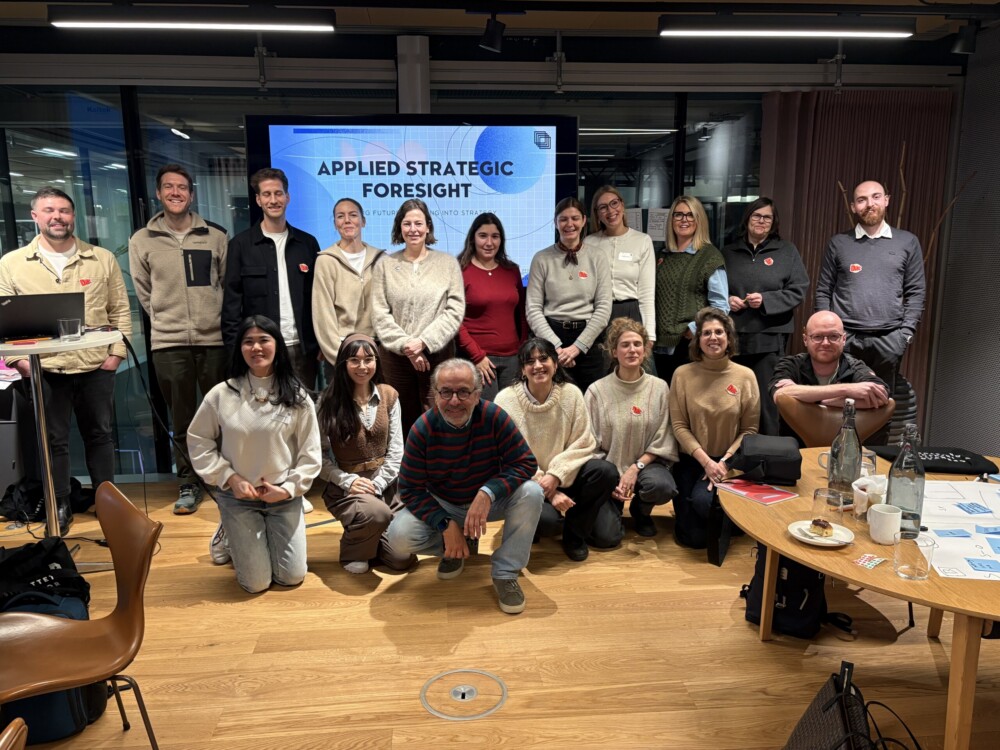
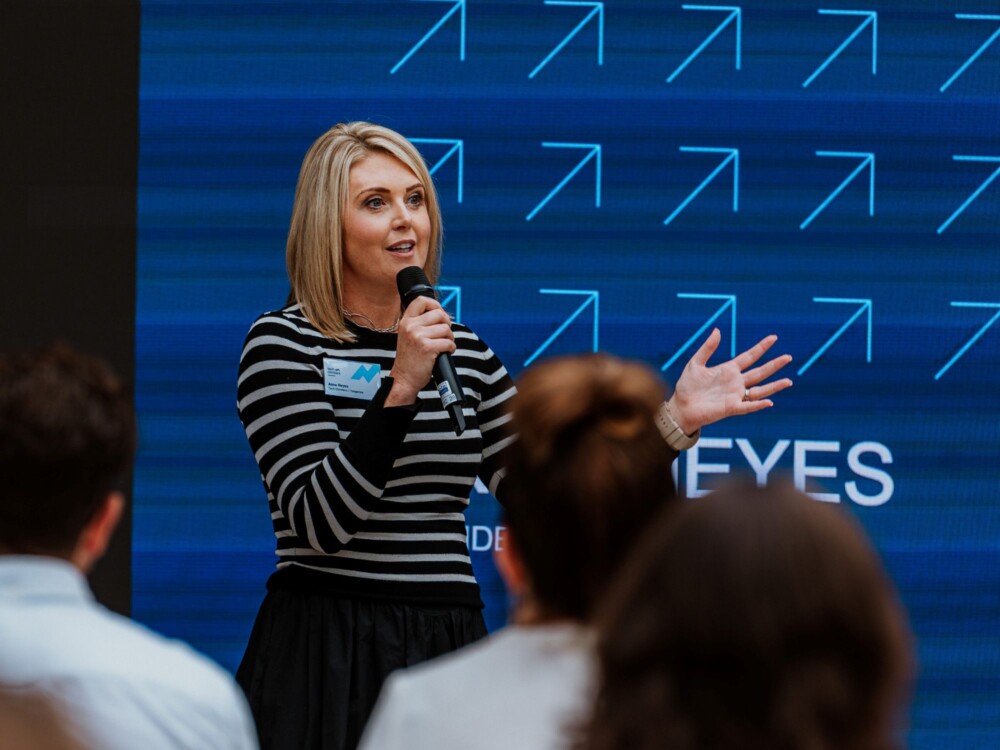
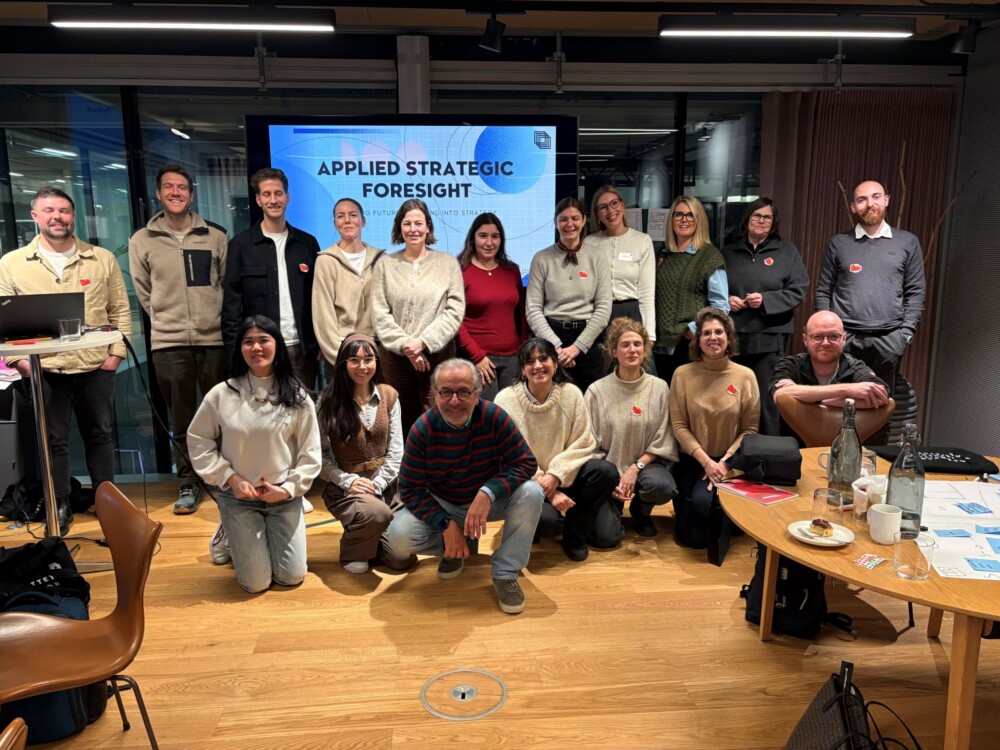
Fresh off the plane from the Applied Strategic Foresight course with the Copenhagen Institute of Future Studies, Anna Heyes shares her thoughts on how communicators need to move past trend watching into future shaping.
Attention Please!
-
2026-03-20

The battle for capital: Investment readiness is now about story as much as strategy
-
2026-03-12

A new crisis spells peril for manufacturers. They need more voices in their corner.
-
2026-02-13

Why Futurism and Foresight Are Becoming Essential Tools for Brands
-
2026-02-11

2016 vs 2026: What’s changed in construction PR?
-
2025-12-12

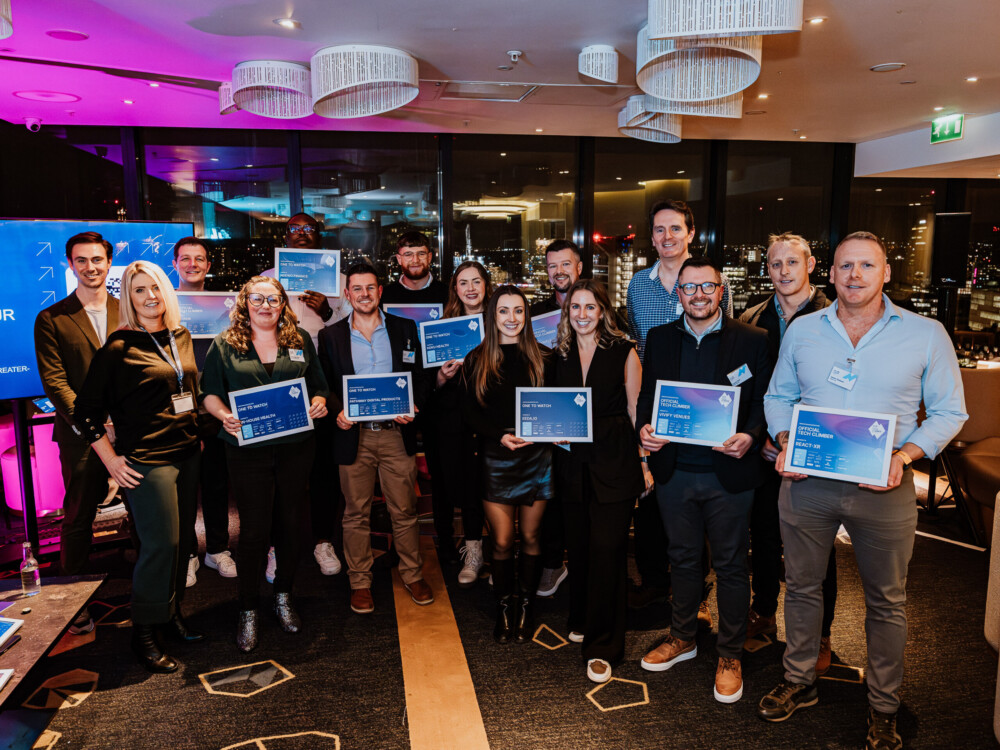
Tangerine celebrates Manchester’s leading tech innovators
-
2025-10-31

Tangerine creates a platform for the next wave of tech innovators
-
2025-10-24

Tangerine takes home FIVE more awards
-
2025-10-20

Why the internet breaking needs to be in your crisis preparedness plan
-
2025-10-16

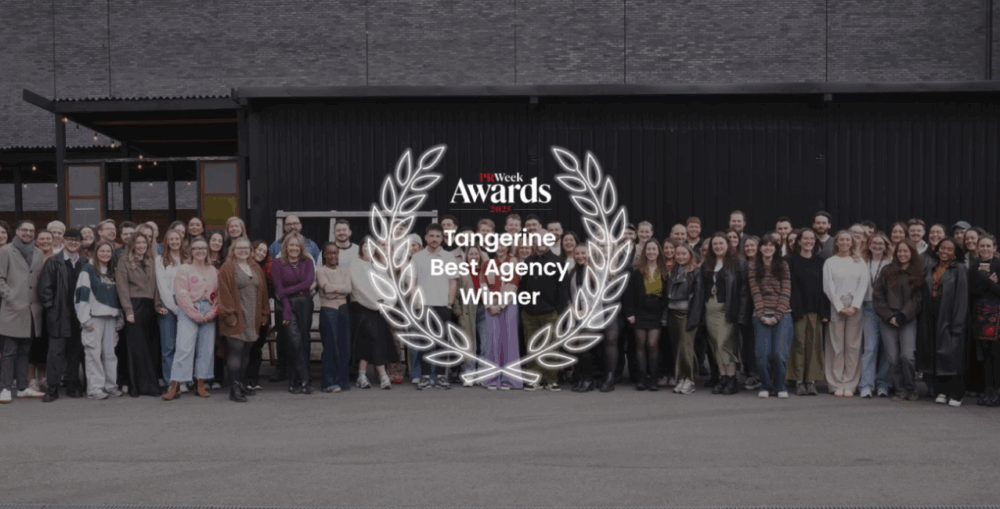
Tangerine wins Best Agency Outside London at PRWeek Awards 2025
-
2025-10-10

Forget the conference podium. Politics is now a performance.
-
2025-10-06

New campaign from TENA Women takes action to keep 4.2 million women in sport
-
2025-09-18

Crisis Preparedness in 2025: Managing Client Reputation
-
2025-09-09

Strategy has always been the heartbeat of corporate PR
-
2025-09-04

5 Tips for Working with Construction Influencers
-
2025-08-05

Tangerine grows B2B and Corporate offer with new tech and real estate team
-
2025-07-25

Instagram is testing unlockable reels – what brands need to know
-
2025-07-24

Best Worst Team scores double at the Creative Moment Awards
-
2025-07-24

Three shortlist spots for Tangerine at the PRWeek Awards
-
2025-07-24

A hat-trick at the Marketing Week Awards
-
2025-07-09

Tangerine Launches ‘The Boredom Board’ with New Client The Works
-
2025-07-07

Why brand and talent alignment really matters
-
2025-07-07

From Picture Frames to PR: Why Career Changers Are the Secret Weapon Agencies Didn’t Know They Needed!
-
2025-07-01

Tangerine’s £1.2M AI investment sets new standard for brand attention
-
2025-05-22

DEI is dead, long live DEI? How communications can keep doing the right thing
-
2025-05-16

How PR & Comms Can Support the Future of the Construction Industry
-
2025-05-06

Why cyber attacks need to be a core pillar of your crisis comms strategy
-
2025-05-06

Introducing The Crisis Lab
-
2025-04-25

Tangerine Communications partners with Horlicks for exciting 2025 campaign
-
2025-02-20

Awards, ambitions, and what’s next
-
2025-02-10

National Apprenticeship Week
-
2025-01-08

What the shift to community-driven content moderation on Meta means for brands in the US
-
2024-12-03

Change is the only constant
-
2024-11-04

How Labour are framing the Autumn Budget through strategic comms
-
2024-08-08

Forget silly season. It’s time to capture attention.
-
2024-07-29

Tangerine Communications receives a double win at the UK Content Awards
-
2024-07-11

MAD//FEST debrief: learnings for PR and social
-
2024-06-26

Key takeaways from Cannes
-
2024-06-18

Working with influencers in 2024: act fast, be lucky, trust your gut
-
2024-05-01

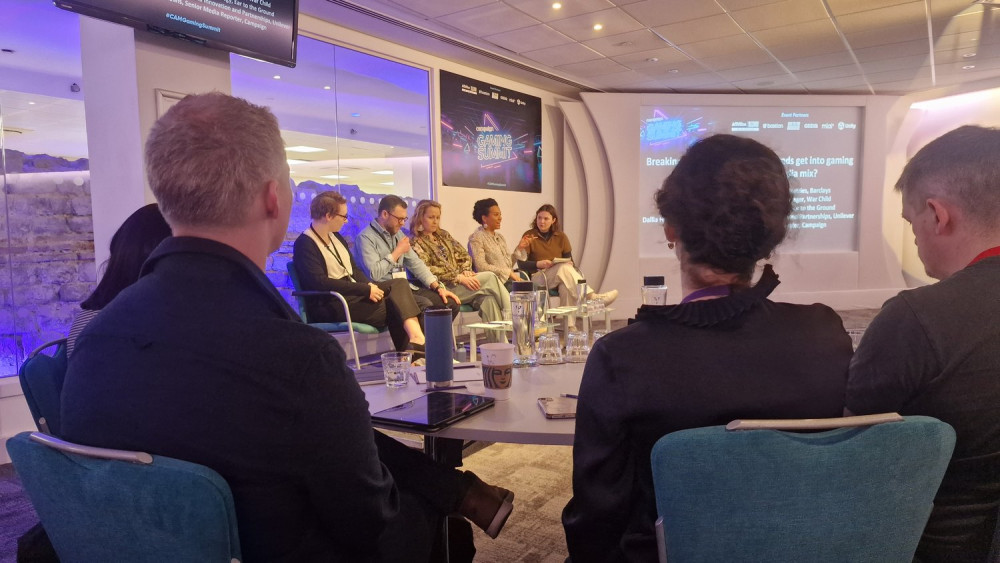
Why gaming is the next big opportunity for brands: key takeaways from Campaign’s Gaming Summit
-
2024-03-28

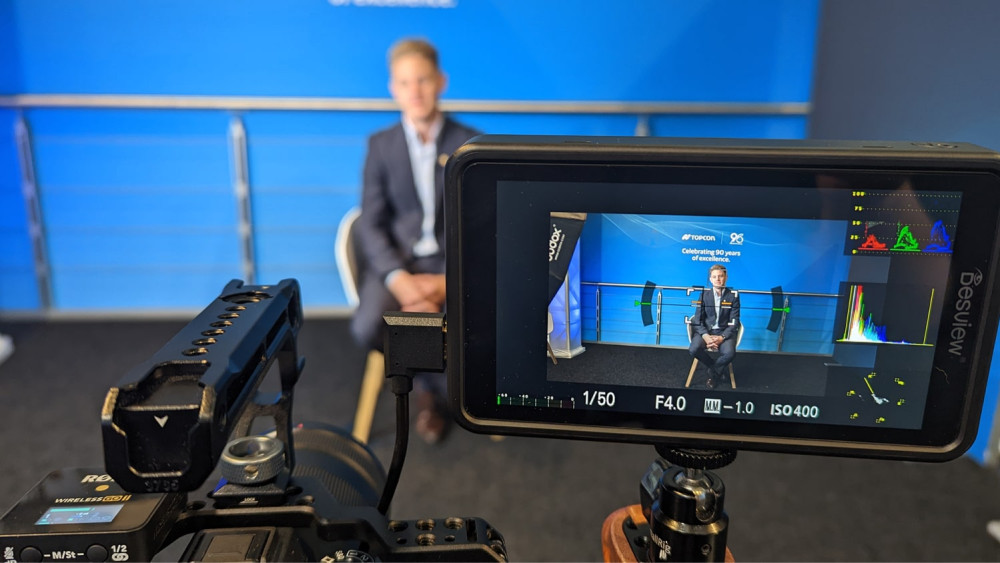
The future of branded video content? Let your brand take a backseat.
-
2024-03-21

Threads is finally adding a ‘Trending Now’ section for all U.S. users
-
2024-03-20

Three simple ways to make content more accessible for neurodivergent audiences
-
2024-03-14

The Attention Revolution: How to Break the Rules and Win in Social Media Marketing
-
2024-03-14

Is the US Banning TikTok and could the UK be Next?
-
2024-03-07

Elon Musk says X (Twitter) will hide Likes an Repost Metrics from Timeline
-
2024-02-02

Universal Music’s Standoff with TikTok: Implications for Marketers an Artists
-
2024-01-31

Five Inclusive Marketing Tips You’ll Not Want to Miss in 2024
-
2024-01-15

The Cookies Crumbles, but Delicious Opportunities Arise: Your Social Media Strategy in a Post-Cookie World.
-
2023-12-19

How to Make it Count at B2B Events
-
2023-05-25

Filming Content on Another Continent
-
2023-03-29

8 Unmissable Reactive Moments in 2023