A creative POV in the Answer Economy
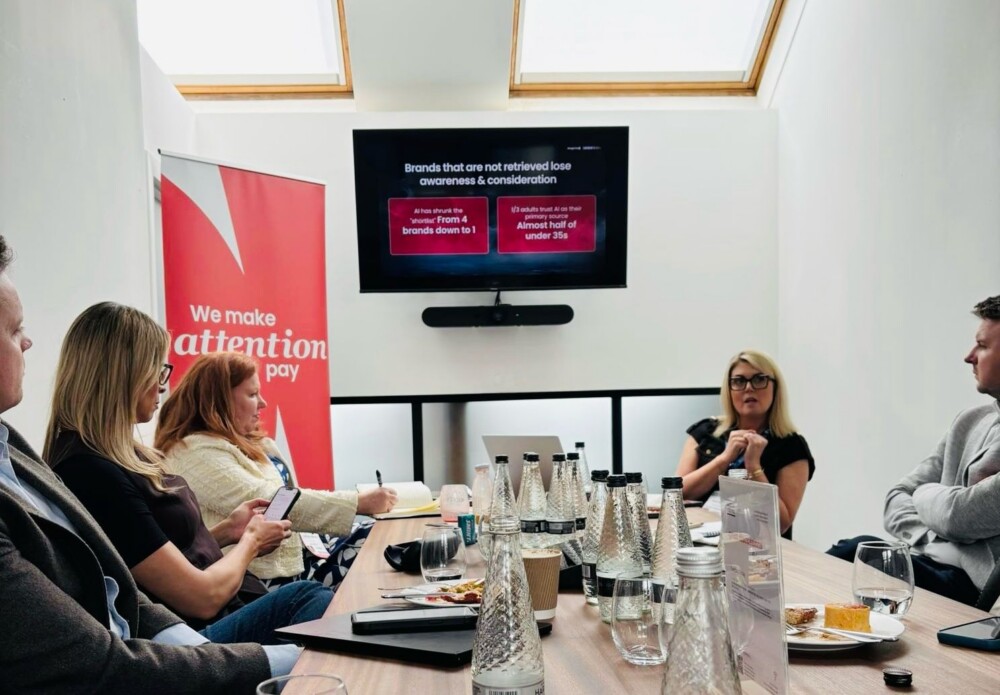
There’s a lot of understandable anxiety around AI and what it means for brands, creativity and how people discover things online. But honestly, from where I’m sitting as a creative, this feels far more like an opportunity than a threat.

Attention Please!
-
2026-09-14

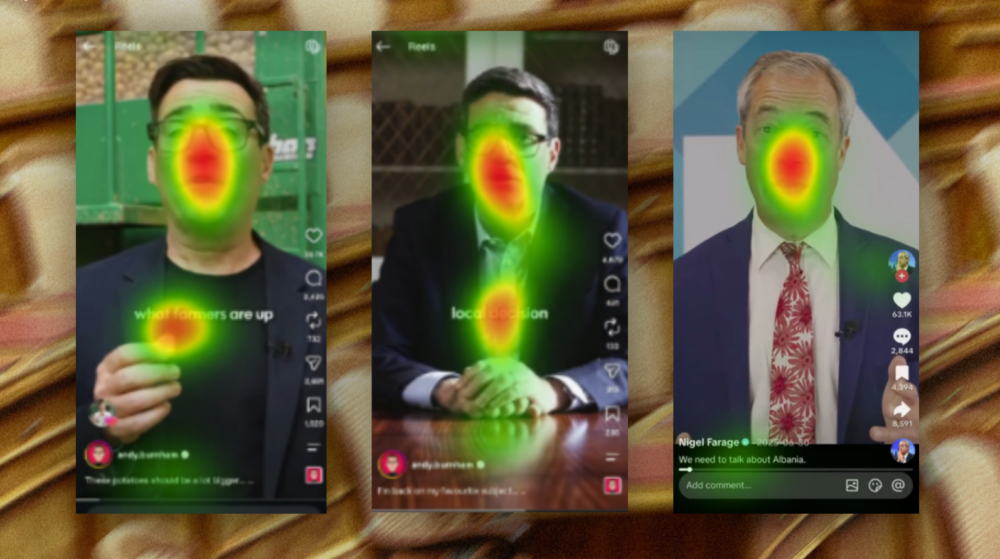
How Andy Burnham Became the UK’s First Influencer Prime Minister
-
2026-09-01

AI is changing PR. That should make good corporate counsel more valuable
-
2026-08-24

How are real estate brands chosen in the AI era?
-
2026-07-15

What does the UK Social Media Ban mean for brands?
-
2026-06-18

A creative POV in the Answer Economy
-
2026-06-18

Introducing Retriva: Making brands visable again in an AI-led world
-
2026-05-28

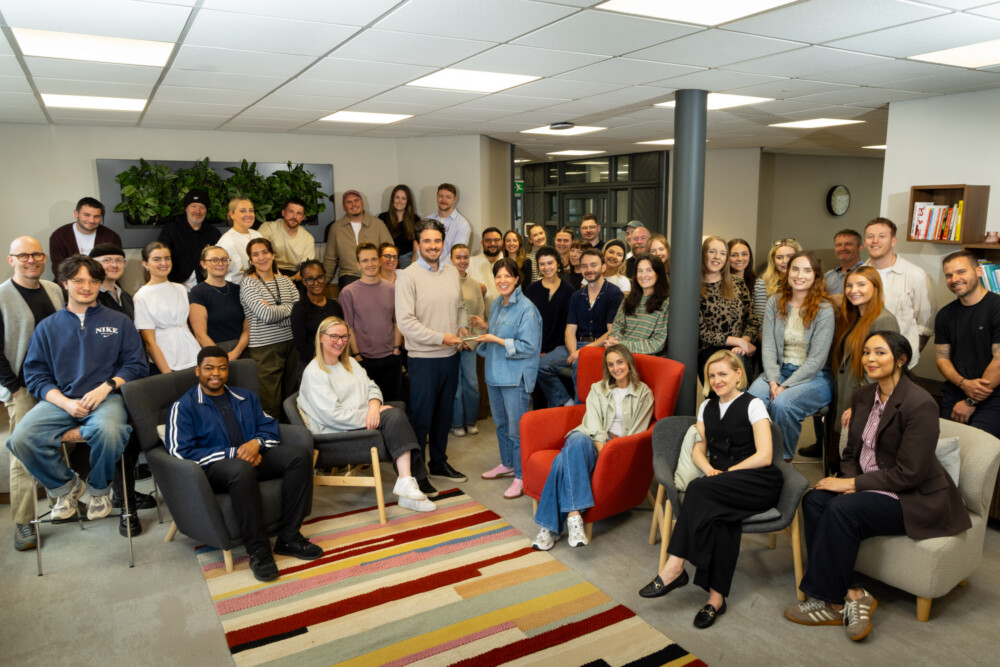
Celebrating our award-winning culture
-
2026-04-17

Delivering game changing manufacturing campaigns
-
2026-03-20

The battle for capital: Investment readiness is now about story as much as strategy
-
2026-03-12

A new crisis spells peril for manufacturers. They need more voices in their corner.
-
2026-02-13

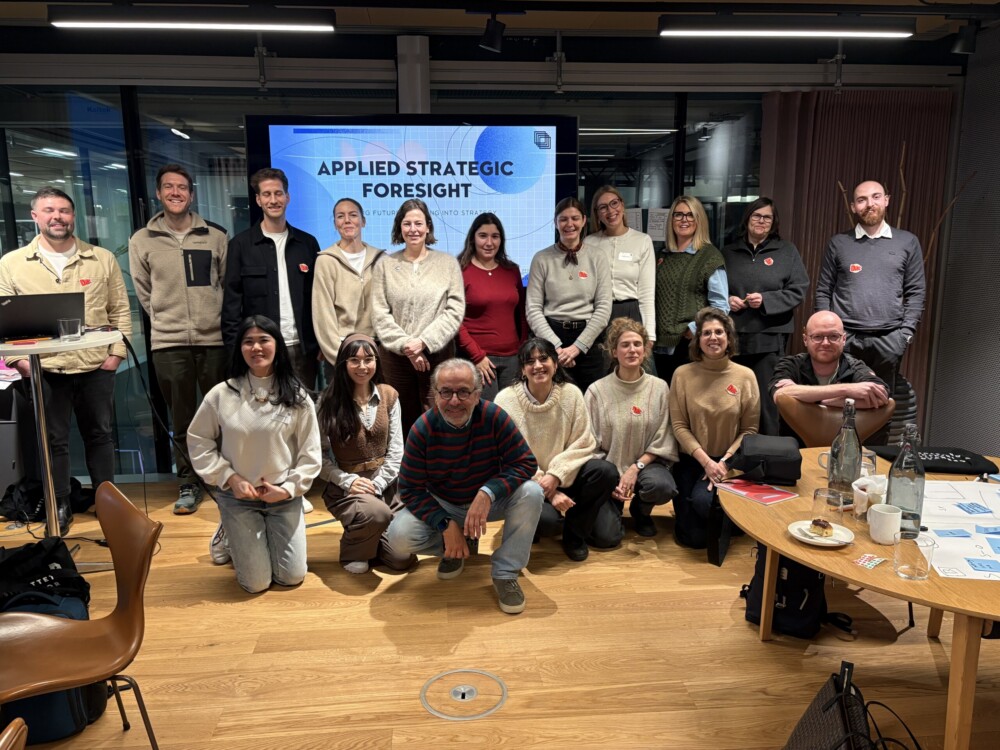
Why Futurism and Foresight Are Becoming Essential Tools for Brands
-
2026-02-11

2016 vs 2026: What’s changed in construction PR?
-
2025-12-12

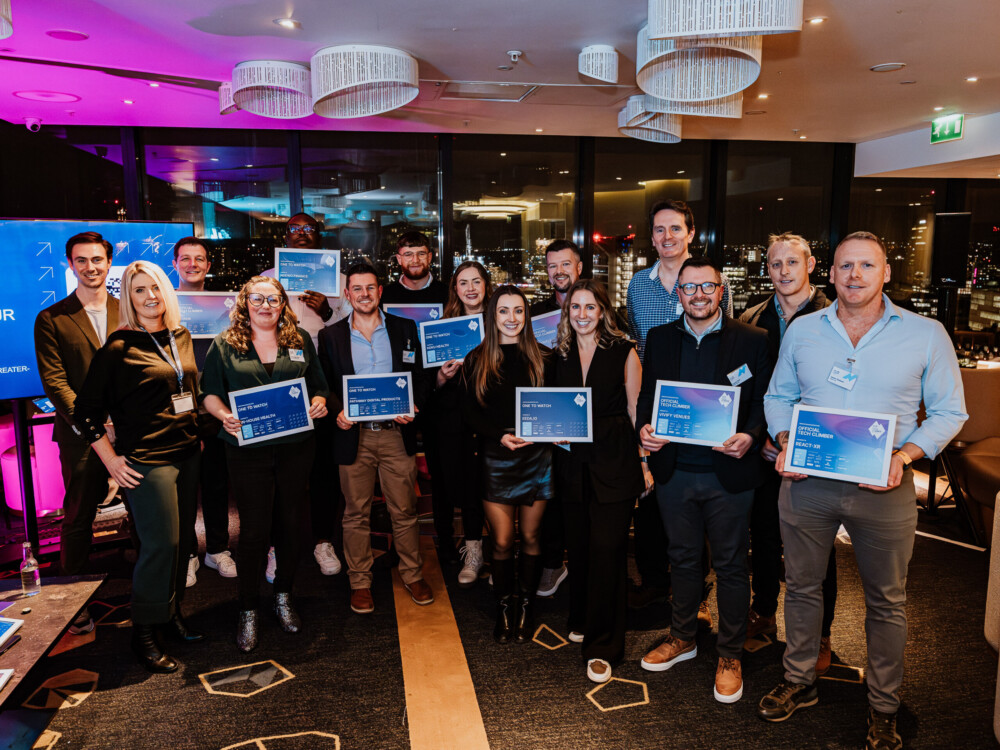
Tangerine celebrates Manchester’s leading tech innovators
-
2025-10-31

Tangerine creates a platform for the next wave of tech innovators
-
2025-10-24

Tangerine takes home FIVE more awards
-
2025-10-20

Why the internet breaking needs to be in your crisis preparedness plan
-
2025-10-16

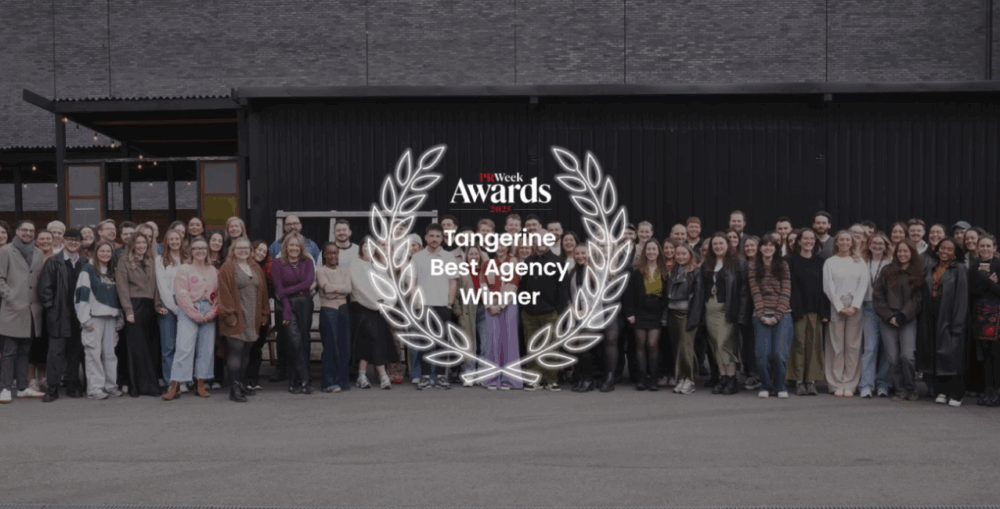
Tangerine wins Best Agency Outside London at PRWeek Awards 2025
-
2025-10-10

Forget the conference podium. Politics is now a performance.
-
2025-10-06

New campaign from TENA Women takes action to keep 4.2 million women in sport
-
2025-09-18

Crisis Preparedness in 2025: Managing Client Reputation
-
2025-09-09

Strategy has always been the heartbeat of corporate PR
-
2025-09-04

5 Tips for Working with Construction Influencers
-
2025-08-05

Tangerine grows B2B and Corporate offer with new tech and real estate team
-
2025-07-25

Instagram is testing unlockable reels – what brands need to know
-
2025-07-24

Best Worst Team scores double at the Creative Moment Awards
-
2025-07-24

Three shortlist spots for Tangerine at the PRWeek Awards
-
2025-07-24

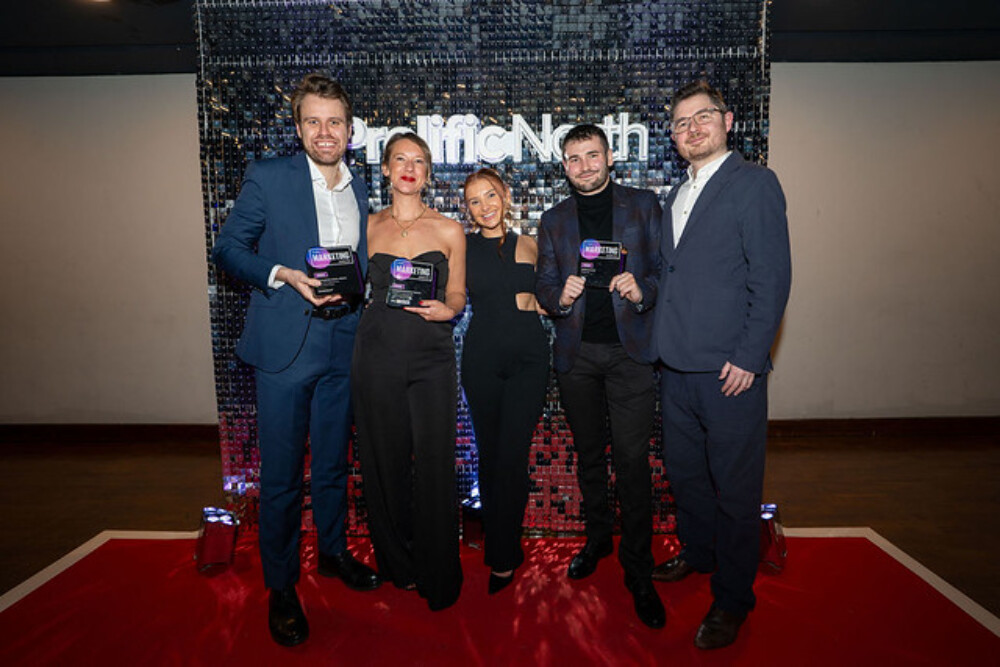
A hat-trick at the Marketing Week Awards
-
2025-07-09

Tangerine Launches ‘The Boredom Board’ with New Client The Works
-
2025-07-07

Why brand and talent alignment really matters
-
2025-07-07

From Picture Frames to PR: Why Career Changers Are the Secret Weapon Agencies Didn’t Know They Needed!
-
2025-07-01

Tangerine’s £1.2M AI investment sets new standard for brand attention
-
2025-05-22

DEI is dead, long live DEI? How communications can keep doing the right thing
-
2025-05-16

How PR & Comms Can Support the Future of the Construction Industry
-
2025-05-06

Why cyber attacks need to be a core pillar of your crisis comms strategy
-
2025-05-06

Introducing The Crisis Lab
-
2025-04-25

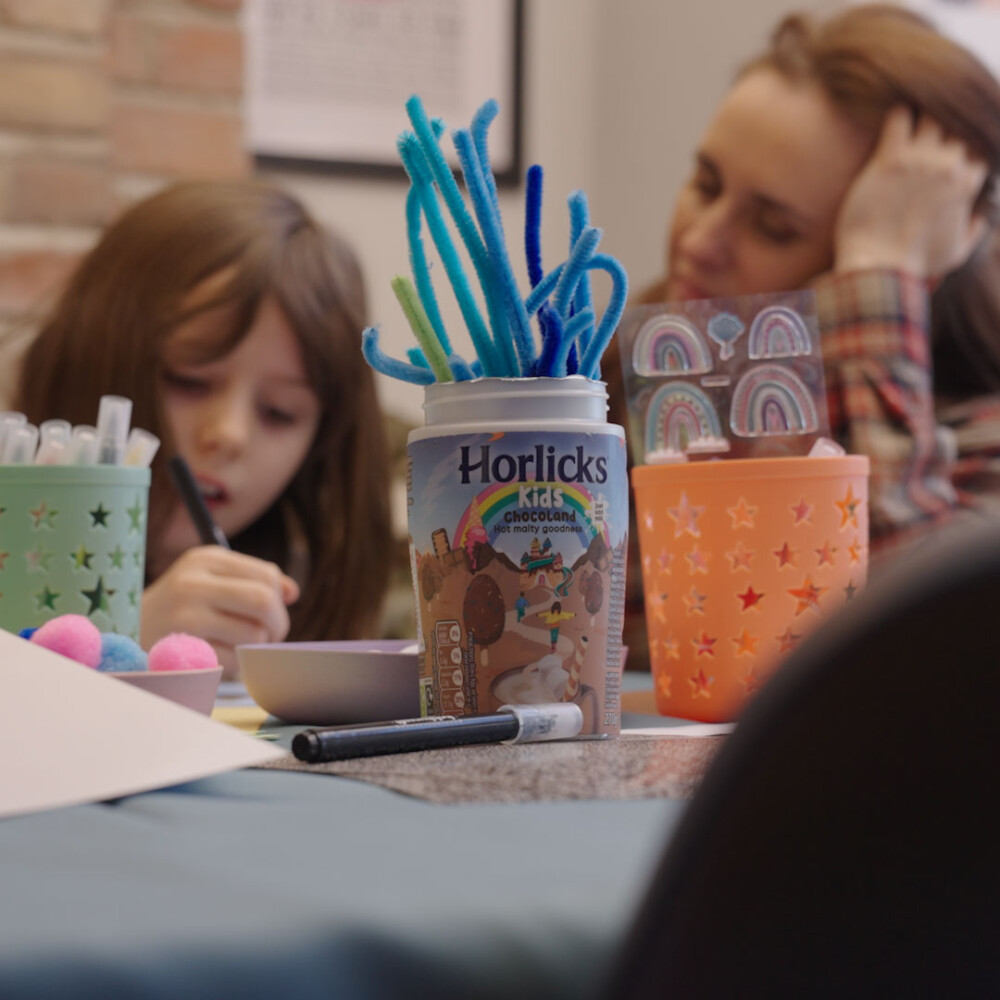
Tangerine Communications partners with Horlicks for exciting 2025 campaign
-
2025-02-20

Awards, ambitions, and what’s next
-
2025-02-10

National Apprenticeship Week
-
2025-01-08

What the shift to community-driven content moderation on Meta means for brands in the US
-
2024-12-03

Change is the only constant
-
2024-11-04

How Labour are framing the Autumn Budget through strategic comms
-
2024-08-08

Forget silly season. It’s time to capture attention.
-
2024-07-29

Tangerine Communications receives a double win at the UK Content Awards
-
2024-07-11

MAD//FEST debrief: learnings for PR and social
-
2024-06-26

Key takeaways from Cannes
-
2024-06-18

Working with influencers in 2024: act fast, be lucky, trust your gut
-
2024-05-01

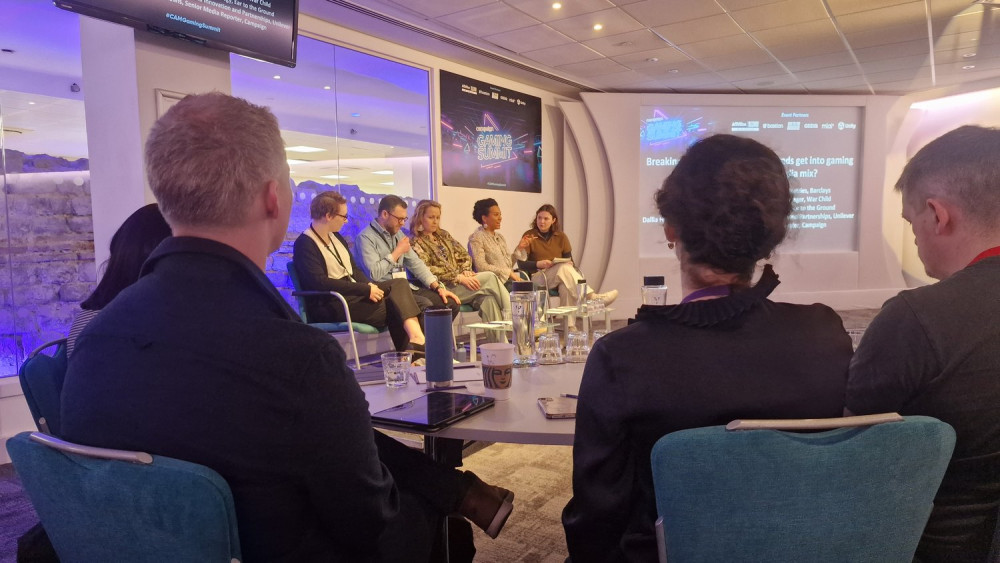
Why gaming is the next big opportunity for brands: key takeaways from Campaign’s Gaming Summit
-
2024-03-28

The future of branded video content? Let your brand take a backseat.
-
2024-03-21

Threads is finally adding a ‘Trending Now’ section for all U.S. users
-
2024-03-20

Three simple ways to make content more accessible for neurodivergent audiences
-
2024-03-14

The Attention Revolution: How to Break the Rules and Win in Social Media Marketing
-
2024-03-14

Is the US Banning TikTok and could the UK be Next?
-
2024-03-07

Elon Musk says X (Twitter) will hide Likes an Repost Metrics from Timeline
-
2024-02-02

Universal Music’s Standoff with TikTok: Implications for Marketers an Artists
-
2024-01-31

Five Inclusive Marketing Tips You’ll Not Want to Miss in 2024
-
2024-01-15

The Cookies Crumbles, but Delicious Opportunities Arise: Your Social Media Strategy in a Post-Cookie World.
-
2023-12-19

How to Make it Count at B2B Events
-
2023-05-25

Filming Content on Another Continent
-
2023-03-29

8 Unmissable Reactive Moments in 2023